How Lebanese Families Store Food Naturally
Food preservation without refrigeration kept Lebanese families fed for thousands of years before electricity existed. Imagine living in 1800s Lebanon with no fridge, no freezer, and no modern tools. Yet families ate preserved vegetables in winter, enjoyed summer fruits in spring, and kept food stores for years without spoiling.
How did they do this? Through smart preservation methods developed over thousands of years. These techniques work so well that modern scientists are studying them again today.
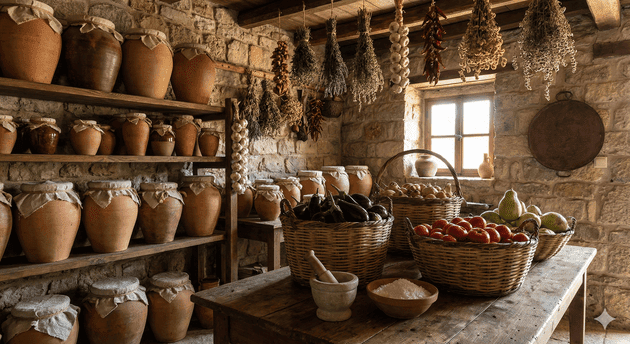
These ancient food preservation without refrigeration techniques prove you don’t need modern technology to store food safely. In fact, old methods often work better than new ones.
Why Lebanese Families Needed Food Preservation Without Refrigeration
Lebanese mountain villages had different seasons. Summer brought too much food—more tomatoes, eggplants, and fruits than families could eat fresh. Winter meant little fresh food, especially in high areas where snow blocked villages for weeks.
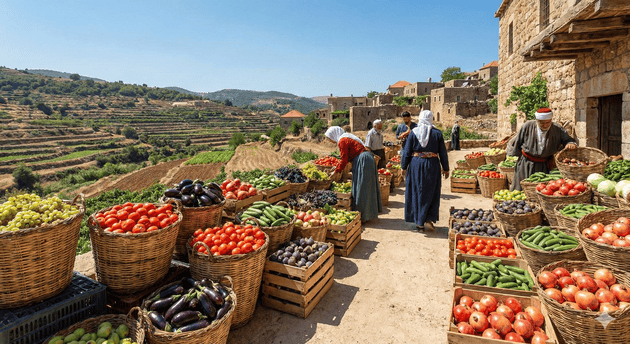
The answer needed to keep food fresh and tasty while stopping it from going bad—all through food preservation without refrigeration. What Lebanese ancestors created was brilliant, using several systems together.
At LaLynn, we still use these proven traditional methods because they work beautifully. They create food that’s healthier and tastes better than modern shortcuts.
Salt: The Original Method for Food Preservation Without Refrigeration
Salt has enabled food storage for over 5,000 years. Lebanese families became experts at using it. But good salt preservation needs more than just adding salt.
How Salt Preserves Food
Traditional makdous shows smart salt preservation. Baby eggplants get heavily salted and pressed for several days. This pulls out bitter juice and extra water—the water that bacteria need to grow.
After this first curing, the eggplants get rinsed, dried, stuffed, and stored in olive oil. Modern scientists now understand why this method works so well.
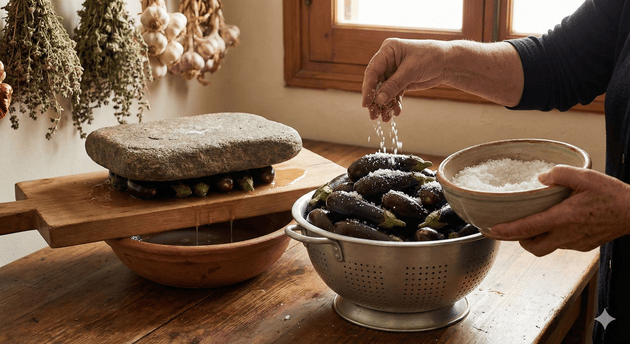
Salt pulls water from bacteria cells, drying them out before they can grow. The salt amount in good makdous is carefully measured—not too much to taste bad, but enough to stop bacteria.
Traditional Salt Wisdom
Lebanese grandmothers knew exactly how much salt to use. Not from books, but from years of practice. Too little salt meant the makdous would spoil. Too much made it too salty. The perfect amount passed from mother to daughter, measured in handfuls and pinches.
This natural understanding represents thousands of years of knowledge about food safe.
Olive Oil: Lebanon’s Answer to Refrigeration
In Lebanon, olive oil wasn’t just food—it was storage technology for food preservation without refrigeration.
How Oil Preserves Food
When you cover food completely in olive oil, you create a seal without oxygen. Oxygen can’t reach the food, and most spoilage bacteria need oxygen to live. This is why makdous can last for years through natural preservation once sealed under oil.
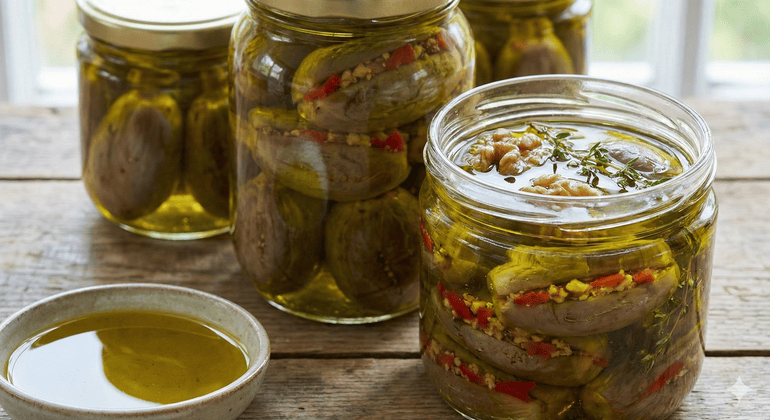
But there’s more to it. The oil must completely cover the food with no air bubbles. Any air exposure lets spoilage start. Traditional clay jars, with their narrow tops, naturally kept air out.
Quality Oil Matters
The oil quality matters for long-term storage. Lebanese olive oil has natural bacteria-fighting compounds. Modern research found dozens of healthy compounds in quality olive oil that stop bacteria growth.
Lebanese ancestors didn’t know the science, but they knew foods in good olive oil lasted longer. At LaLynn, we use only cold-pressed olive oil from Akkar—the same quality Lebanese families used for centuries.
Sugar: Sweet Food Preservation Without Refrigeration
Visit any Lebanese home in summer, and you’ll see someone making muraba—traditional fruit preserves. The process shows simple preservation: cook fruit with sugar until thick.
How Sugar Preserves
Sugar preserves by pulling out water. At high amounts (usually 60-65% sugar), it draws water from bacteria and mold, stopping their growth. The high sugar creates a place where bacteria can’t live.
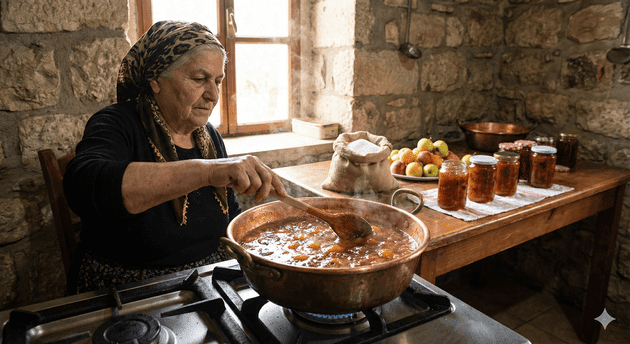
But traditional Lebanese jam-making uses more than just sugar for preservation. Long, slow cooking makes flavors stronger while the fruit’s natural gel creates perfect thickness. Lemon juice adds sour taste and lowers acid levels—making it even harder for bacteria.
Jam-Making Knowledge
Watch an experienced Lebanese woman make jam, and you’ll see knowledge you can’t learn from books. She knows exactly when it’s ready for storage—not by using tools, but by how it falls from the spoon, its color, and its smell.
This knowledge comes from thousands of batches over hundreds of years, proving that good food preservation without refrigeration needs both science and skill.
Fermentation: Smart Food Preservation Without Refrigeration
Maybe the smartest method Lebanese ancestors used was fermentation. This lets good bacteria grow, which stops bad bacteria while making food healthier.
Lebanese Pickles Through Fermentation
Lebanese torshi (pickled vegetables) uses natural fermentation. Vegetables sit in salt water, and natural good bacteria start eating the vegetables’ sugars, making acid.
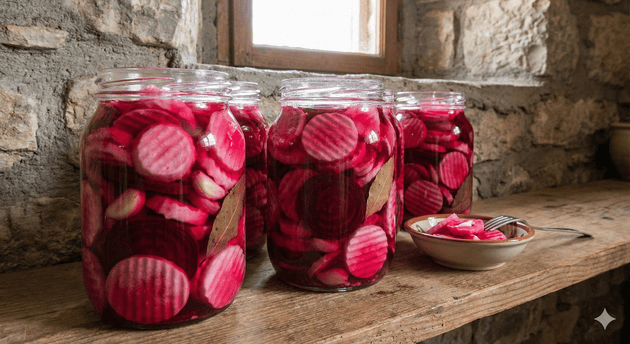
This acid stops bad bacteria from growing while creating that tangy taste. Modern health experts now know fermented foods contain good bacteria that help digestion.
Temperature Control in Fermentation
Successful preservation through fermentation needs the right temperature. Too warm, and bad bacteria might grow. Too cold, and fermentation stops.
Traditional Lebanese homes, with thick stone walls, naturally kept cool, steady temperatures perfect for fermentation. This natural climate control allowed reliable storage without any modern tools.
Sun-Drying: Solar Food Preservation Without Refrigeration
On summer days, Lebanese rooftops become drying areas. Tomatoes, herbs, fruits, and vegetables lay out in strong Mediterranean sun, slowly drying over days through natural preservation.
How Drying Works
Sun-drying removes water that bacteria need to live. Most bacteria need moisture above 20% to grow. Traditional sun-dried foods reach 10-15% moisture—too dry for bacteria, enabling long-term storage.
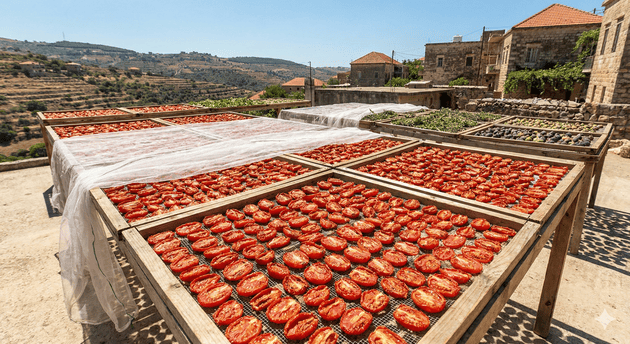
Sun-drying also makes flavors stronger. Sun-dried tomatoes taste more like tomatoes, with taste made stronger by drying.
Perfect Drying Weather
The Lebanese sun, with low humidity and steady warmth, creates perfect conditions for natural drying. Lebanese ancestors placed drying racks to get most sun while protecting from dust using fine mesh.
The dried products could last years through preservation, becoming fresh again when soaked in water.
Vinegar: Acid Protection for Food Preservation Without Refrigeration
Vinegar preservation has been used in Lebanon since ancient times for reliable food preservation without refrigeration. Vinegar’s acid (usually pH 2.5-3.0) creates a place where most bacteria can’t live.
Traditional Lebanese pickled turnips get their pink color from beet slices added to the water. But the preservation comes from vinegar and salt together.
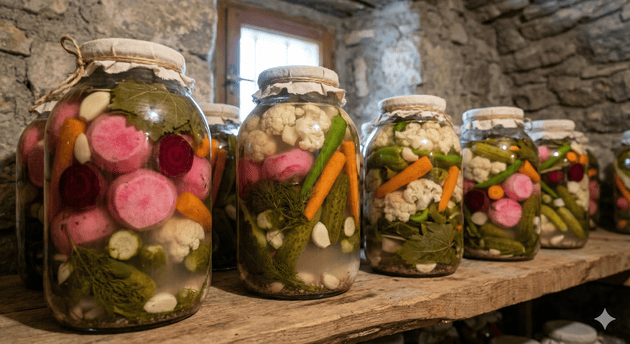
This combination creates many layers of protection—acid, salt, and sometimes good bacteria that beat bad bacteria. This multi-layer approach ensures reliable safety for months.
Staying Cool Without Modern Refrigeration
Lebanese stone houses, often built partly underground or into hills, provided natural cooling for food storage. These thick-walled buildings stayed cool in summer and mild in winter—creating natural cold storage.
Families stored their mouneh in the coolest house area, often a north-facing room or partly underground. Clay jars, which naturally cool through moisture loss, provided extra temperature control for preservation.
Root vegetables were stored in sand or sawdust in cool cellars, keeping moisture while stopping spoilage. Every storage choice showed years of knowledge about good storage technique.
Combining Methods for Better Food Preservation Without Refrigeration
The best food preservation without refrigeration often mixed several methods. Makdous, for example, uses salt curing, oil sealing, lemon acid, and sometimes fermentation—four preservation methods together.
This layered approach shows smart understanding of food safety. If one protection fails slightly, others remain to stop spoilage. Modern scientists call this “hurdle technology”—but Lebanese ancestors invented it thousands of years earlier.
Why Traditional Food Preservation Without Refrigeration Creates Better Food
Modern science proves what Lebanese grandmothers always knew: preserving food naturally using traditional methods creates healthier food.
Fermented foods have good bacteria. Sun-dried foods pack more vitamins and minerals. Salt-preserved vegetables keep more nutrients than many modern methods. Traditional jams, made without commercial additives, contain only real fruit.
When we at LaLynn make our products, we use these proven ancient methods because they work. Not just to preserve food, but to create food that’s healthier and tastier than modern shortcuts.
The Lost Skill of Patient Preservation
Maybe the most important part of natural preservation is patience. Makdous must cure for days before stuffing. Fermentation can’t be rushed. Jam must cook slowly to develop right taste and thickness.
Lebanese ancestors understood that good preservation takes time. They didn’t preserve food quickly—they preserved it correctly. The result was food that not only lasted but got better with age, developing complex tastes that fresh versions couldn’t match.
Saving Ancient Preservation Knowledge
Today, these ancient methods face disappearing. Supermarkets stock everything year-round. Few families make their own mouneh anymore. The knowledge that kept Lebanese communities fed for thousands of years might vanish in one generation.
That’s why LaLynn exists—not just to make products, but to keep these traditions alive. Every jar we fill honors the wisdom of countless Lebanese grandmothers who perfected this technique.
Every batch we make proves ancient methods still work beautifully today. When you taste LaLynn mouneh, you’re experiencing food made exactly as your great-great-grandmother made it—with the same food preservation without refrigeration methods, the same patience, and the same respect for ingredients.
Learn why traditional preservation creates healthier food in our next article about mouneh health benefits compared to commercial preserves.